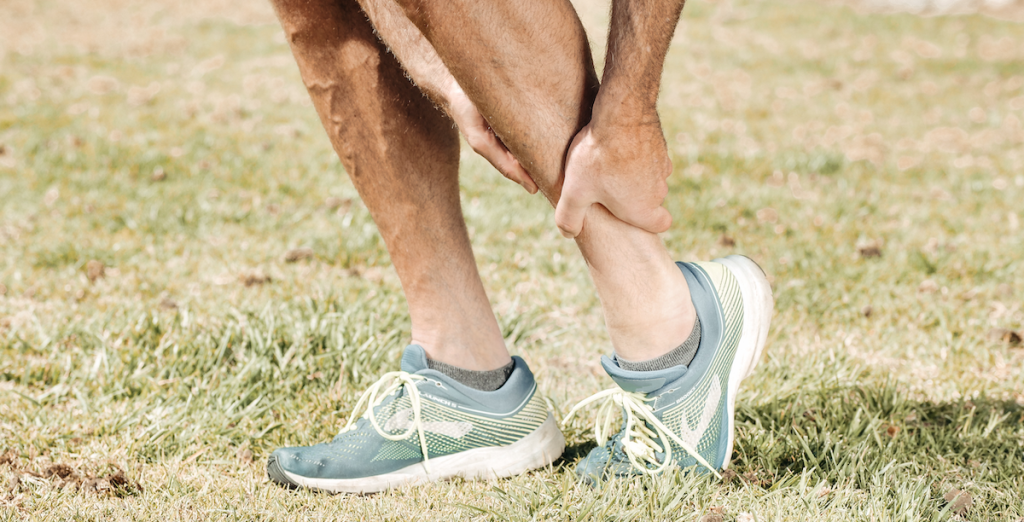
In this article, we answer some of the most common injury questions about shin splints sent to the team at Riixo.
If you want to learn more about the causes, symptoms and how to manage shin splints, head over to the physio room for a more in-depth description or click on the button below.
Shin splints can cause pain along the front or outside of the lower leg. The pain can range from a dull ache to a sharp, stabbing sensation. In some cases, the area may feel tender or swollen. Pain may worsen with activity and decrease with rest.
Shin splints may cause visible swelling along the shin bone. There may also be bruising or discolouration of the skin and redness in the area. In some cases, the area may be warm to the touch.
Shin splints are caused by overuse or incorrect form when exercising. This can lead to inflammation of the muscles and tendons in the lower leg, resulting in pain along the shin bone. Common causes of shin splints include running on hard surfaces, running with improper form, increasing exercise intensity too quickly, and having poor footwear.
Common causes of shin splints when running include running on hard surfaces, running with improper form, increasing exercise intensity too quickly, and having poor footwear. Running with improper form can cause the muscles to become overworked, leading to inflammation and pain in the lower legs. Running on hard surfaces can also increase the risk of developing shin splints by putting extra strain on the muscles and tendons in the lower legs. Poor footwear can also increase the risk of shin splints by not providing adequate support to the feet and lower legs.
Shin splints can be improved by resting, stretching and strengthening the muscles in the lower legs, and wearing supportive shoes. Ice can also be applied to the affected area to reduce inflammation and pain. If the condition does not improve after trying these methods, it is important to seek medical advice.
Shin splints can be made worse by continuing to exercise with improper form, increasing exercise intensity too quickly, and running on hard surfaces. Poor footwear can also increase the risk of developing shin splints by not providing adequate support to the feet and lower legs.
Common causes of shin splints when walking include walking on hard surfaces, walking with improper form, increasing exercise intensity too quickly, and having poor footwear. Walking with improper form can cause the muscles to become overworked, leading to inflammation and pain in the lower legs. Walking on hard surfaces can also increase the risk of developing shin splints by putting extra strain on the muscles and tendons in the lower legs. Poor footwear can also increase the risk of shin splints by not providing adequate support to the feet and lower legs.
The medical term for shin splints is medial tibial stress syndrome (MTSS). Medial tibial stress syndrome (MTSS) is a condition in which the muscles and tendons around the tibia (shin bone) become inflamed, leading to pain along the front or outside of the lower leg. MTSS is also commonly referred to as shin splints.

If you want to learn more about the causes, symptoms and how to manage shin splints, head over to the physio room for a more in-depth description or click on the button below.


 British Triathlon: Recovery Questions Answered
 The Injury Risk Equation
 LJMU Study Findings
 What are shin splints?
 How to treat shin splints [2021]
No Thanks – I’ll pay full price
Close Window
Close Window
