Shin splints are a common injury in not only runners but tennis players, dancers, and other athletes. In fact, it’s reported to occur in 4-35% of all military personnel and athletes at some point in their careers.

The medical term for shin splints is medial tibial stress syndrome (MTSS). It refers to pain that runs along your shin bone, usually starting from just below your knee. Anterior shin splints describe the pain felt on the outer part of your leg, while medial shin splints refer to pain on the inside of the leg. Medical experts describe shin splints as "pain on the posteromedial tibial border during exercise", or to you and I, pain down the shin bone whilst exercising.
There are a number of theories for what causes shin splint pain. Some sports scientists have shown, through MRI scanning, that the injury is caused by an overloading of the muscles that causes them to pull away from the cortex surrounding the bone. This explains why, in some cases, you may feel like the edge of the shin bone feels bumpy.
Other theories include pain resulting from small tears in the muscle itself when it is pulled from the bone. General muscle inflammation may also be to blame, particularly inflammation of the periosteum (the sheath of tissue that wraps around your shin bone).

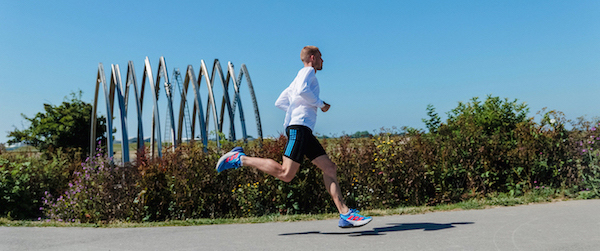
If you have shin splints you will notice pain and tenderness down the front of the lower leg. It will often be quite tender to palpate and you may feel some small lumps along the edge of the shin bone.

Symptoms may include;
Pain may increase when running or participating in other physical activities. It may also worsen when walking up or down stairs, or when standing for long periods of time. People with shin splints may notice an increase in pain after running, as well as an increase in pain when they stop running. In some cases, the pain may be severe enough to prevent running or other physical activity. Shin splints can be treated with rest, ice, stretching, and physical therapy.
First of all, it’s crucial that you see a physiotherapist to determine whether your pain is indeed shin splints or something more serious, such as a stress fracture or compartment syndrome. These conditions need to be checked and diagnosed by a qualified practitioner through physical examination.
Early Management
Shin splints normally require rest from certain physical activities, which is typically about two weeks. To help manage the pain you should follow the POLICE principles;
Stop doing whatever is causing the pain
Take as much weight as you can without having a limp or causing more pain (you may need crutches)
20 minutes to reduce pain and swelling.
To provide support to the area
Foot elevated. Ideally, waist height or higher to help with any fluid draining.
Treatment for shin splints
If shin splints are diagnosed, the best course of action is to stop running in order to allow the damaged tissues to heal. As with any injury, continuing to load the affected area will only lead to further pain and take even longer to heal. Switch to other cardio for the time being, such as swimming, cycling, or the elliptical trainer.
It’s also a good idea to apply an ice pack to your shin to reduce pain and inflammation and to keep the leg elevated when possible.
Some studies have suggested that neoprene or semi-rigid orthotics may help. Again, your physiotherapist will be able to discuss your unique needs with you and perform an appropriate gait analysis.
The information on this site is intended for educational purposes.
You must not rely on the information on this website as an alternative to medical advice from your doctor or other professional healthcare provider. If you have any specific questions about any medical matter you should consult your doctor or other professional healthcare provider. If you think you may be suffering from any medical condition you should seek immediate medical attention. You should never delay seeking medical advice, disregard medical advice, or discontinue medical treatment because of information on this website.
No Thanks – I’ll pay full price
Close Window
Close Window


