Recovery is the foundational phase of the three activity phases. It powers your training (preparation) and your performance. A faster, better recovery can help secure training gains, improve the level of performance and limit the risk of injuries.
Limit the magnitude of muscle damage through Golden Hour protocols; or
Impact the rate of recovery by focusing on The Big-3. The focus of this post.
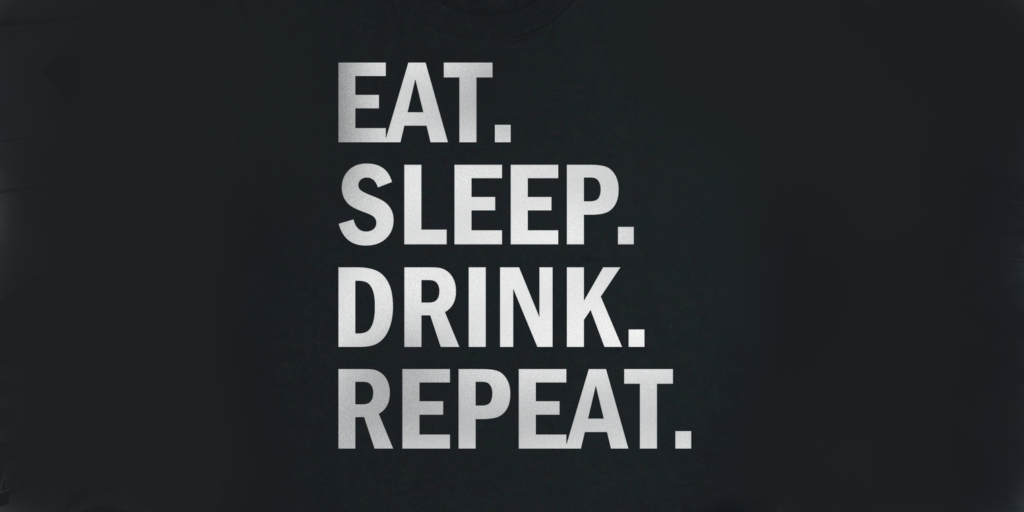
We instinctively know the key to feeling fresh and recovered is a good diet, drinking lots of water and high-quality rest. We refer to these collectively as the big-3:
Nutrition
Hydration
Rest (especially sleep)
How you perform in these three important areas will have the biggest impact on the rate of recovery. How quickly you recover from the depth of exercise induced muscle damage. (we looked at limiting the amount of damage with your Golden Hour protocols)
By focusing on The Big-3 your rate of recovery will improve and you'll recover faster
Staying on track is not always easy when work is busy, training is ramping up and a good night is impossible because the kids have a bug.
A busy athlete is a busy person and when life is hectic, there are occasions when we are thrown off-track. The goal then becomes getting back on-track as quickly as possible.
Here are some hints and tips for those moments:
Food – bouncing back from a blip
Don't Play Calorie Catch-up: Be food aware and track your numbers by all means. But the goal is to get back to sustainable healthy eating not to starve yourself by playing calorie catch up. This can lead to more bad choices when you are short of energy later in the day. Make it a balanced breakfast and a protein packed lunch (and dinner) the day after any blip.
Get back on track through activity: If you do want to play catch-up then try to walk it off as soon as possible and plan some exercise for the next day.
Hydration: Drink water. By being hydrated, and getting to bed at a reasonable time, you’re strike-one rather than three.
Make smart eating out choices: If you’re eating out, try to take a look at the menu in advance. Decided on a couple of dishes. You’ll avoid taking the easy option or following the crowd when the waiting staff suddenly appear at your table
Try and avoid alcohol. This can be tricky so make smart choices and see above (drink lots of water)
Get some rest: If you can’t get to bed early – sleep in – but no more than an hour as you don’t want to compromise your routine. And plan to walk as much as possible the next day.
If it’s more than a single day blip and a routine of poor choices is creeping in, make an adjustment to your shop next week and plan a “healthy” weekend – get back to feeling good and recognise how that feels
Hydration – how to stay on track
Out of sight out of mind: This tends to be why we don’t drink enough. Track your water in-take and know how much you need.
Get big and smart: Get a bigger bottle, but one you can carry with you, and keep it handy. If you’re in the office, make sure it is smart enough to come to meetings with you.
Set reminders or establish routines – be mindful of when you should be refilling it. That will help keep you on track and sipping little and often.
Mix it up: Consider flavouring with fruit for a bit of variety or to avoid reaching for a fizzy drink
Adjust: Be aware of temperature and level of exertion these will increase your hydration requirements
Check you are on track: The best reminder of all is when you urinate – know the colour it should be. Too golden and consider it a prompt to drink more – a good bit more.
Sleep – what to do after a bad night
A little coffee is fine: You need to get through the day and a little caffeine is perfectly fine but don’t go overboard.
Simplify your day: You’re unlikely to be at your best all day. Save what you have in the tank for the moments that matter. There will be parts of your life where this is possible and parts where it’s not.
Exercise easy: If you were planning a big, base-building effort then take a look at your training plan for the week. Pushing limits whilst tired significantly increases your chances of injury.
Try and stay away from sugar boosting foods: Your lulls will be more intense, and your body will be calling for energy. Do your best to keep away from foods that will spike your sugars. Reach for a banana rather than a chocolate bar.
Fresh air: Get out for a walk in the middle of the day or if you feel yourself fatiguing
Power nap: If you have the flexibility to get a powernap then do. But strictly limit it to 20-30 mins otherwise you risk doing more harm than good - waking up groggy and impacting your sleep that night
Screen time: Limit your screen time especially just before bed. This is good advice regardless, but when you are in a sleep deficit you want to set the conditions to get back into your usual routine as soon as possible.
Don’t be tempted to go to bed too early: or sleep in too long. We can typically handle +1-hour extra sleep without it impacting. The idea of catching up (or banking) sleep is flawed
Take a bath: A soak 2 hours before bed can help you get off to sleep quickly. It relaxes muscles and lowers your core temperature, a big bedtime signal for your body.
If it becomes more than a one-night thing: and there’s not a good reason (like a new-born!) you need insights before intervention so consider collecting data and diarising conditions. Some of the common causes of unexpected, consistent poor sleep are room temperature, the comfort of your mattress / duvet, a racing mind and stress.
Read: The Golden Hour: Faster recovery by limiting the damage from your training effort
Read: How to think about a faster recovery - the TWO areas of focus
Read: The Recovery Trusted by Team GB Olympic & Paralympic athletes
Read: Award winning recovery that is a "Game changer!"
2 comments on “The Big-3: Influence the rate of recovery”
[…] Recovery is the foundational activity phase from which quality training (preparation) drives better performance. We have introduced a model for faster recovery and the 2 most important areas of focus: one that impacts the magnitude of recovery required and the other that influences your rate of recovery. […]
[…] THE BIG THREE – When your body has been stressed by a big exercise effort, eating clean, staying well hydrated and rest enables its recovery mechanisms optimal performance. Small and incremental changes can really add up to a faster recovery rate. […]
Dive into an enlightening discussion with Doug Jones, the Health & Performance Director at Red Bull UK and a renowned physiotherapist, as he addresses crucial recovery questions from the British T...
A team from LJMU, led by Dr David Low conducted a study to explore whether utilising Compression AND Ice after an intense bout of exercise was more beneficial than compression alone. They chose to use...
The medical term for shin splints is medial tibial stress syndrome (MTSS). It refers to pain that runs along your shin bone, usually starting from just below your knee. Anterior shin splints describe ...
First of all, it’s crucial that you see a physiotherapist to determine whether your pain is indeed shin splints or something more serious, such as a stress fracture or compartment syndrome. These co...
Sign up for our Newsletter, recovery protocols & 10% off your first purchase
Thank you. An email to confirm your subscription has been sent. Once you’ve confirmed, a discount code will be emailed to you. (Don’t forget to check your filtered email folders)
Oops! Something went wrong. Please try again later.
10% OFF
when you sign up to our newsletter*
*No minimum spend. Free UK shipping on orders over £125. Code can be applied to your first order.
No Thanks – I’ll pay full price
Thank you for subscribing. Your discount code is on it's way to your inbox! (Don't forget to check spam!)
Close Window
Oops! Something went wrong. Please try again later.
Close Window
We use cookies in order to give you the best possible experience on our website. By continuing to use this site, you agree to our use of cookies.


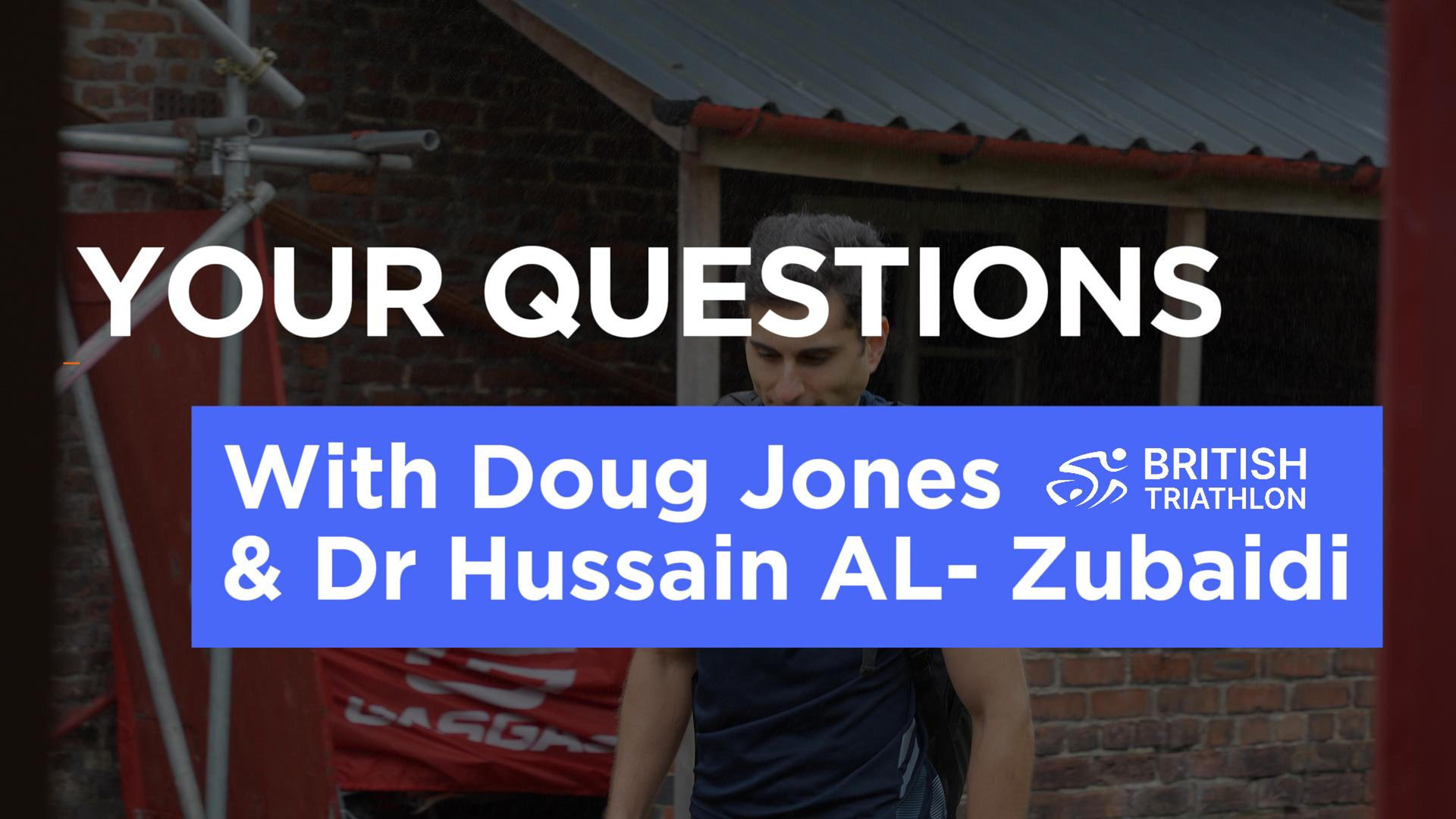 British Triathlon: Recovery Questions Answered
 The Injury Risk Equation
 LJMU Study Findings
 What are shin splints?
 How to treat shin splints [2021]

[…] Recovery is the foundational activity phase from which quality training (preparation) drives better performance. We have introduced a model for faster recovery and the 2 most important areas of focus: one that impacts the magnitude of recovery required and the other that influences your rate of recovery. […]
[…] THE BIG THREE – When your body has been stressed by a big exercise effort, eating clean, staying well hydrated and rest enables its recovery mechanisms optimal performance. Small and incremental changes can really add up to a faster recovery rate. […]