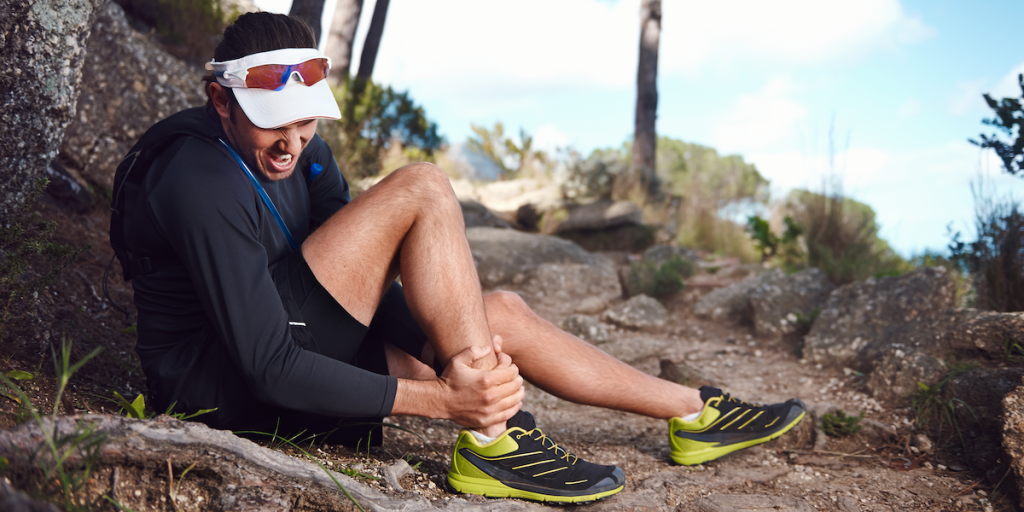
In this article, we answer some of the most common questions sent to the team at Riixo asking about Shin Splints.
If you want to understand more about shin splints, what causes them and how to manage the symptoms head over to the physio room for more in-depth information or click on the button below.
Shin splints are a common exercise-related injury that is caused by inflammation of the muscles, tendons, and bone tissue around the shinbone. They are usually caused by overuse or improper technique when running or exercising. Other potential causes include running on hard surfaces, wearing inappropriate shoes, inadequate stretching before exercise, and weak muscles in the lower legs.
Shin splints are caused by overuse or improper technique when running or exercising. Other potential causes include running on hard surfaces, wearing inappropriate shoes, inadequate stretching before exercise, and weak muscles in the lower legs. Repetitive impact on hard surfaces, such as running on concrete or asphalt, can cause shin splints by creating excessive strain on the muscles, tendons, and bone tissue in the shin area. Wearing improper shoes can also put stress on the shin area, as can poor form or technique when running or exercising. Weak muscles in the lower legs can also cause shin splints by creating an imbalance in the muscles and skeletal structure of the lower body.
Shin splints can feel like a sharp pain in the lower leg, usually along the shinbone. This pain can be felt when running or walking and may become more intense with continued activity. The area may also feel tender to the touch and may be swollen or red. The pain may subside after rest or with the use of ice, but if the condition is left untreated, it may become more severe and require medical attention.
Shin splints can be treated at home with rest, ice, compression, and elevation. The affected area should be iced for 15 - 20 minutes at a time, several times a day until the pain subsides. Compression bandages or wraps should be used to provide support to the area and prevent further injury. Over-the-counter pain relievers may also be used to reduce pain and inflammation. If the pain persists or worsens, medical attention should be sought.
1. Wear supportive shoes: Make sure your shoes are comfortable and supportive. Look for shoes that have adequate cushioning and arch support.
2. Stretch: Stretch your calves, hamstrings, and other lower leg muscles before and after exercising.
3. Strengthen your legs: Strengthen your calf, shin, and thigh muscles with exercises such as calf raises and toe raises.
4. Warm up and cool down: Take the time to properly warm up and cool down before and after exercise.
5. Avoid overtraining: Don’t push yourself too hard too quickly. Increase your activity level slowly and make sure to give your body adequate rest.
6. Avoid running on hard surfaces: Try to run on softer surfaces such as grass or dirt, if possible.
The amount of time it takes to heal shin splints depends on the severity of the injury. Mild cases may resolve within two to four weeks with rest and physical therapy. More severe cases can take up to three months or longer to heal.
To better understand shin splints head over to the Physio Room or click on the button below to find out what causes shin splints, how to treat the symptoms and prevent them from returning.


 British Triathlon: Recovery Questions Answered
 The Injury Risk Equation
 LJMU Study Findings
 What are shin splints?
 How to treat shin splints [2021]
No Thanks – I’ll pay full price
Close Window
Close Window

