
In this article, we will answer some of the common questions that get sent to us about shin splints.
If you want to understand more in-depth information on what causes shin splints, and how to manage and prevent then head over to the physio room or click on the button below.
Yes, shin splints can cause bruising. Bruising may occur if the shin bone has been strained or if the muscles around the bone have been overworked. Bruising may also occur if there is an underlying medical condition such as a stress fracture.
Yes, shin splints can cause knee pain. Shin splints are caused by overuse of the muscles, tendons, and bones of the lower leg. When these muscles, tendons, and bones are overused, they can become irritated and inflamed, leading to pain in the knee. Additionally, the pain can radiate down from the shin to the knee, causing knee pain.
Yes, shin splints can be cured. Treatment for shin splints typically involves rest, ice, compression, and elevation (RICE). Stretching, strengthening exercises, and proper footwear can also help to reduce the pain associated with shin splints. In some cases, physical therapy may be needed to ensure proper healing.
Yes, shin splints can cause swelling. When the muscles and tendons in the lower leg become overworked, they can become swollen and inflamed due to increased blood flow to the area. The swelling can cause pain and can even limit movement of the lower leg.
Yes, shin splints can cause calf pain. Shin splints are caused by overuse of the muscles, tendons, and bones of the lower leg. When these muscles, tendons, and bones are overworked, they can become irritated and inflamed, leading to pain in the calf. Additionally, the pain can radiate around from the shin to the calf, causing calf pain.
Yes, shin splints can cause ankle pain. Shin splints are caused by overuse of the muscles, tendons, and bones of the lower leg. When these muscles, tendons, and bones are overworked, they can become irritated and inflamed, leading to pain in the ankle. Additionally, the pain can radiate up from the shin to the ankle, causing ankle pain.
Yes, shin splints can cause pins and needles. Shin splints are caused by overuse of the muscles, tendons, and bones of the lower leg. When these muscles, tendons, and bones are overworked, they can become irritated and inflamed, leading to nerve damage. This nerve damage can cause pain, tingling, and numbness, known as pins and needles.
Yes, shin splints can go away. Treatment for shin splints typically involves rest, ice, compression, and elevation (RICE). Stretching, strengthening exercises, and proper footwear can also help to reduce the pain associated with shin splints. With proper treatment, shin splints can be healed and the pain can go away.
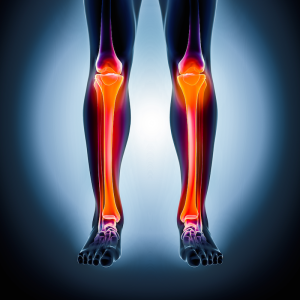
To understand more about shin splints, what causes them and how to manage the symptoms head over to the Physio room by clicking the button below.


 British Triathlon: Recovery Questions Answered
 The Injury Risk Equation
 LJMU Study Findings
 What are shin splints?
 How to treat shin splints [2021]
No Thanks – I’ll pay full price
Close Window
Close Window
