
In this article, we will answer some of the main questions sent to us about shin splints.
To read more in-depth about shin splints, what causes them and how to treat you can head to the Physio room to learn more or click on the button below.
No, shin splints are not permanent. Most people can recover from shin splints with rest, stretching, and strengthening exercises. In some cases, treatment may also involve Physiotherapy or other medical intervention.
Shin splints can be painful, so it is important to take measures to reduce the risk of developing them or to treat them promptly if they do occur. If not adequately treated, shin splints can lead to complications such as stress fractures and chronic pain.
No, shin splints are not typically considered to be a chronic condition. If shin splints are not properly treated, however, they can lead to chronic pain and other complications.
Yes, shin splints can be painful. The pain is typically located along the inner edge of the shinbone (tibia) and can range from mild to severe.
No, shin splints are not the same as stress fractures. Stress fractures are a type of overuse injury that can occur when the bones of the lower leg are subject to repetitive stress or trauma. Shin splints, on the other hand, involve inflammation of the muscles, tendons, and other soft tissues surrounding the tibia.
No, shin splints are not fractures. Shin splints involve inflammation of the muscles, tendons, and other soft tissues surrounding the tibia, while fractures involve a break or crack in the bone.
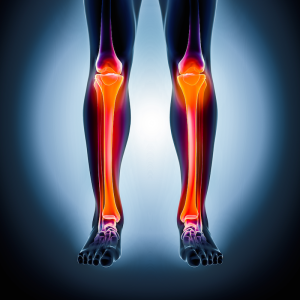
Understand more about shin splints in the physio room. Learn how to properly identify shin splints, their causes and how to treat them.


 British Triathlon: Recovery Questions Answered
 The Injury Risk Equation
 LJMU Study Findings
 What are shin splints?
 How to treat shin splints [2021]
No Thanks – I’ll pay full price
Close Window
Close Window
