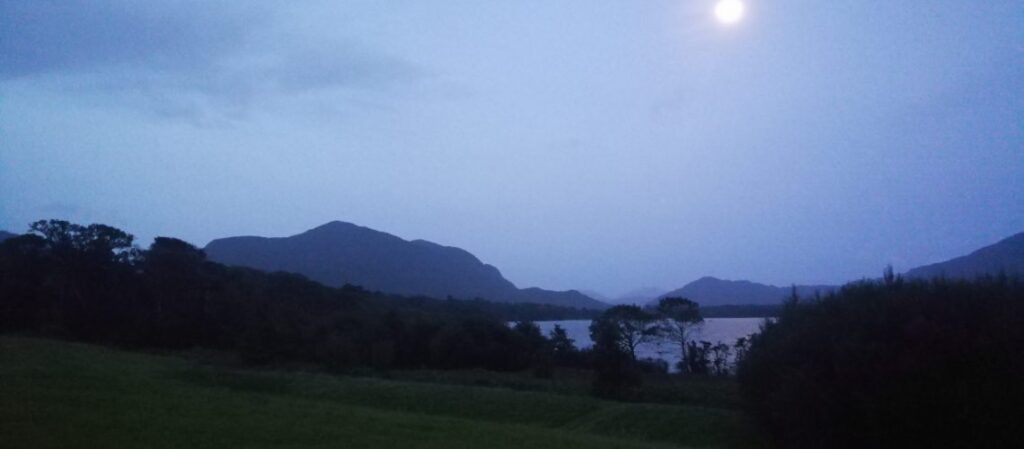
Ultrarunning is my freedom. The time it takes between start line to finish arch is my own. Nobody interrupts my forwards progress. Ultras allow you to be intensely self-centred whilst laying claims on something heroic.
People who run fast road marathons often ask me the polite version of how I can bear my own company for so many hours at a time. The answer is that the slower pace removes intensity and allows room for the brain to roam into. I can also calmly think through the plan.
The next aid station can – and should – be a 5-minute stop – so how did 20 mins slip by? Use a mental list – food, drink, body, gear, clothes – and prioritise. It sounds simple enough, but the tired brain plays tricks. Some Spine runners sew their gloves into the sleeves. Leaving them behind can be race over.
If your physio has told you to stretch that hamstring and some kind marshal offers you an unexpected coffee, most will grab their cup and forget the stretch, when in fact you can get the stretch in as the coffee is made.
For a multiday event, the last aid station is also a sleep station and the same principle applies – every moment counts. The sooner you are clean, warm and comfortable the sooner you stop chafing and shivering from the day that is done and the sooner you are refuelling, repairing and rebuilding for the next stage. Cross the line and keep moving, keep thinking.
Perversely, a bit more exercise, an evening walk is a great option. Get the camera and take a stroll. You can loosen and stretch as you go, whilst switching down alertness.
The quicker you get through the list, the better organised will your next day kit be, and the sooner you can relax, and following relaxation, sleep.
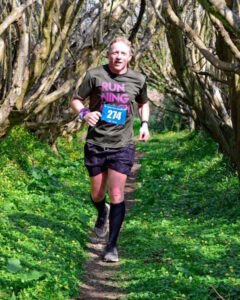
Sleep is the most important part of recovery. Multiday ultras are also multinight. Event adrenaline always erodes sleep. You are preparing to move, ready to run. Having a routine, working the plan, and dealing with issues helps relax the senses and give you as much rest as possible.
In September and October, I’m doing Ring of Fire, Anglesey and Lake Tahoe Triple, California/Nevada. Both these are 3-day events where I want to take home the whole event experience – the people, the place, the occasion.
By treating the overnights like a long sleepy aid station, I should get the best event experience.
Day 2 – Day 3 plan
| 9.00pm | Cross the line, confirm finish with the organiser team |
| 9.05pm | Check any organiser requirements ahead of Day 3 |
| 9.05pm | Rehydrate, protein bar |
| 9.10pm | Head to camp, charge watch and phone |
| 9.10pm | Shower, teeth, laundry |
| 9.30pm | Check sore spots, full stretch routine |
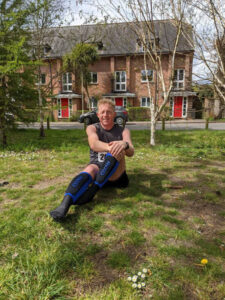
| 9.45pm | Compression garments, including Riixo Recovery cuffs to also apply ice |
| 9.50pm | Whilst wearing Cook/prepare food |
| 10pm | Eat |
| 10pm | Set up pack for the morning charged watch and navigation checklist |
| 10.15pm | Set alarm |
| 10.15pm | 1-2 mile walk |
| 11pm | Cuffs off / Campfire unwind |
| 11.30pm | Final stretches. Teeth refresh |
| 11.45pm | Check alarm and lights out |
 British Triathlon: Recovery Questions Answered
 The Injury Risk Equation
 LJMU Study Findings
 What are shin splints?
 How to treat shin splints [2021]
No Thanks – I’ll pay full price
Close Window
Close Window
