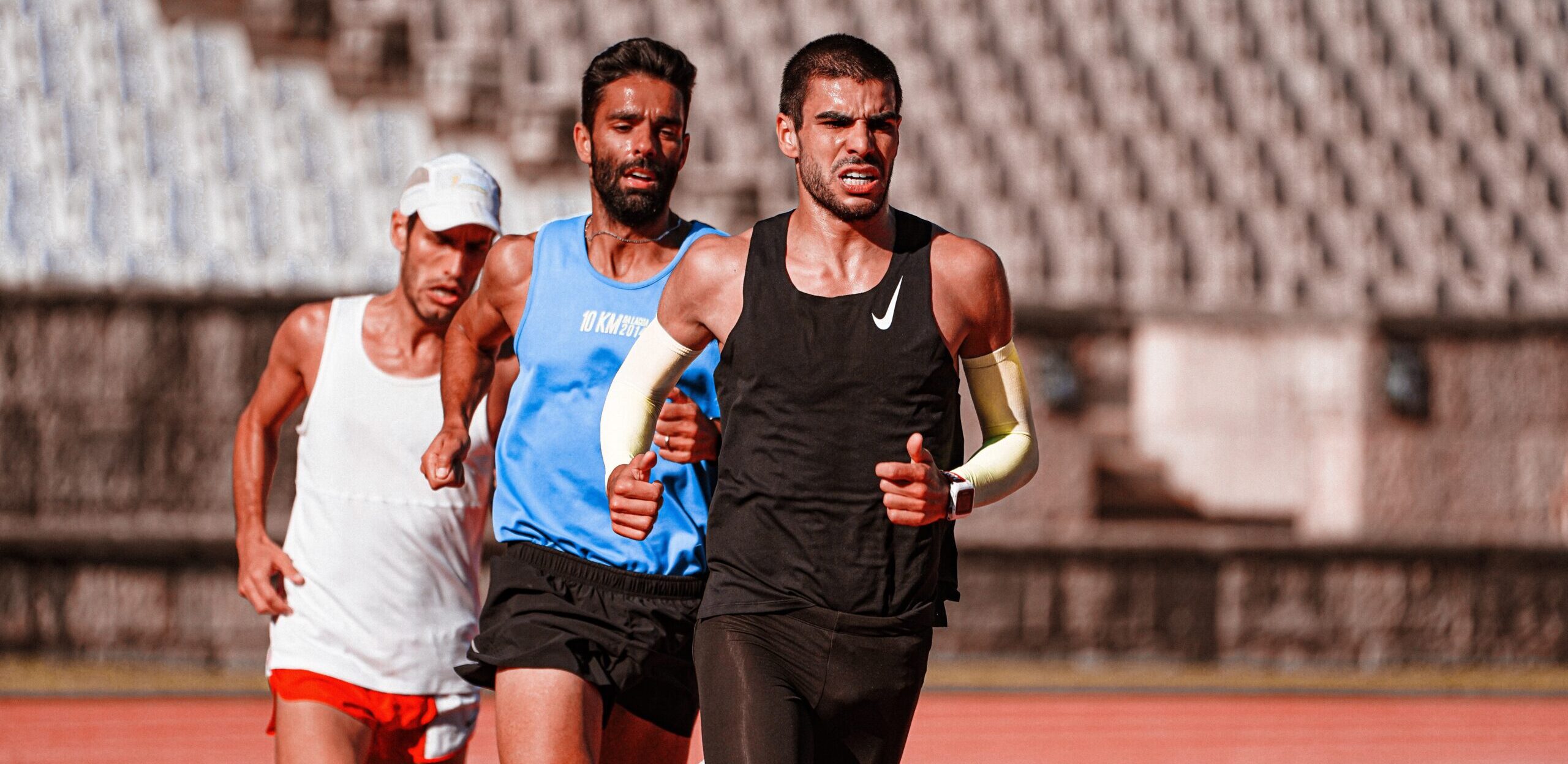
Runners knee is a name given to a condition called patellofemoral pain syndrome and is caused by friction under the kneecap when it rubs against the tibial groove.
We are going to address some of the common questions that people ask.
Runner's knee starts as a dull pain at the front of the knee behind the knee cap. Often the knee will feel “hot” and throbbing. This is caused by the friction caused by the kneecap rubbing against the femoral groove (bottom of the long leg bone in the thigh). More chronic symptoms include a rubbing, grinding or clicking of the knee as well as more intense pain in the knee. It will most often be worse walking or running downhill or going downstairs.
Early on runner’s knee can feel more like irritation or a throbbing but if the cause is not addressed then yes, runner’s knee can become very painful. People have often described a sharp shooting pain behind the knee cap when going downstairs, sitting or standing from a chair.
You may experience some mild swelling around the sides of the cap making it look a bit puffy or like it is sitting on some jelly, but the visual signs will be minimal. The primary symptoms are the pain and its location behind the knee cap. On occasion it may feel warm to touch, this is a combination of the bodies pain response to the injury and the friction where the patella is rubbing.
As an injury, it is not considered to be that serious and can be easily treated with some rest, ice and strength exercises. Surgery is very unlikely and, in most cases, with the correct changes to your training, it will settle down within 4-6weeks. That being said, runner’s knee can still be very painful and any alteration in your running pattern can have a knock-on effect on your lower back and your other hip.
If treated correctly then no it is not, but there are other factors to consider that will contribute to the level of pain and how long it will remain such as your age and how long you have had it. Runner’s knee is a muscular imbalance, weak muscles and tight muscles that cause the kneecap to “track” incorrectly and rub against the groove at the bottom of the thigh bone. Correcting this imbalance will correct this misalignment, like putting a train back on its train tracks.
Learn more...
 British Triathlon: Recovery Questions Answered
 The Injury Risk Equation
 LJMU Study Findings
 What are shin splints?
 How to treat shin splints [2021]
No Thanks – I’ll pay full price
Close Window
Close Window
