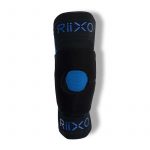
Jumper's knee is another name for patellar tendonitis which is an injury to the tick tendon at the front of the knee.

Patellar Tendonitis, also known as jumper’s knee, is an injury to the thick tendon at the front of the knee that attaches the knee cap to the shin bone. It is usually caused by repetitive movements such as kicking or jumping, or from overuse of the knee through movements like lunging in sports like tennis, badminton and basketball.
Patellar tendonitis will normally build up gradually over time. At first, it may feel like a little bit of discomfort when the tendon attaches to the shin bone but if left untreated the pain can become worse.
Fortunately, jumper's knee can be addressed with a few simple changes to your training and recovery program.

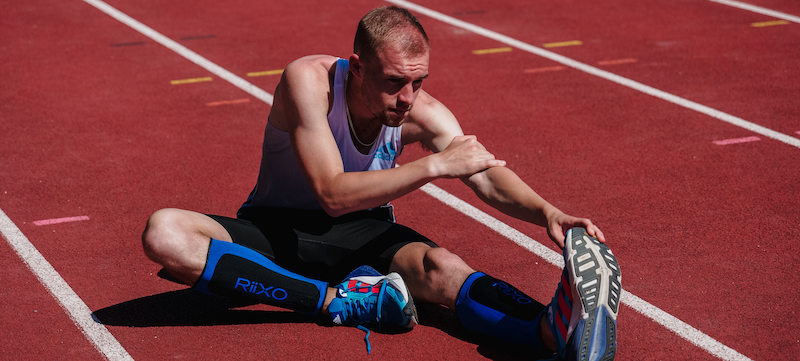
We strongly recommend that you have any suspected injuries fully assessed by a medical professional.
These tests are designed to help identify if you may have an injury and are not proof of injury
If the pain is less or completely absent when the knee is bent then it is likely that you have patellar tendonitis.
You will feel it in the Patellar tendon at the front of the knee. At the bottom of the knee cap, there is a thick tendon that joins the knee cap to the front of the shin. The most common location for the pain is where the tendon attaches to bone, either at the base of the knee cap or the top of the Tibia (shinbone).
It will be a gradual build-up of pain unless there has been a big injury such as a slip, trip or fall. It will start as a discomfort in the front of the knee as you begin exercising or high-intensity training. Over time the level of pain will start to increase becoming quite sharp reducing the amount of force you can put through the knee.
Extending the knee. Exercises such as kicking, running and jumping can cause irritation to the tendon. If the pain worsens it will become sore with simple daily tasks like climbing stairs or standing up from sitting.
Stress on a tendon through tasks such as high-intensity exercise, jumping and kicking will cause tiny tears in the tendon which your body repairs during the recovery phase of your training program. Through overuse or inadequate recovery, these small tears multiply and compound causing pain, inflammation and weakness. If this occurs over 2-3 weeks it then becomes a tendinopathy.
To manage an acute flare-up of patellar tendonitis you are best to follow the P.O.L.I.C.E. protocol;
Reduce impact base exercise or anything that will irritate the knee. If there are any tears in the tendon it can take around 3-6 weeks to settle down and up to 4-6 months to be fully healed.
Supportive knee bracing can help to alleviate symptoms and support the knee cap. To achieve the full benefits you should use one for 3-6 weeks.
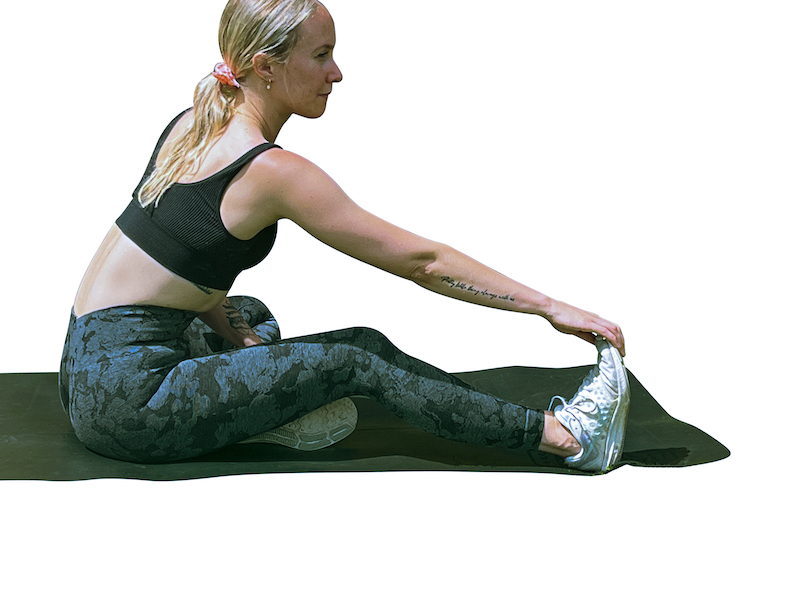
Frequency and duration
Alternatives
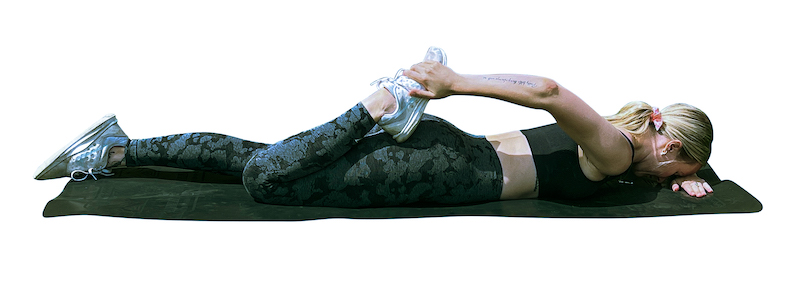
Frequency and duration
Alternatives

This exercise is designed to improve single-leg strength.
Frequency and duration
Starting from the centre:
Alternatives
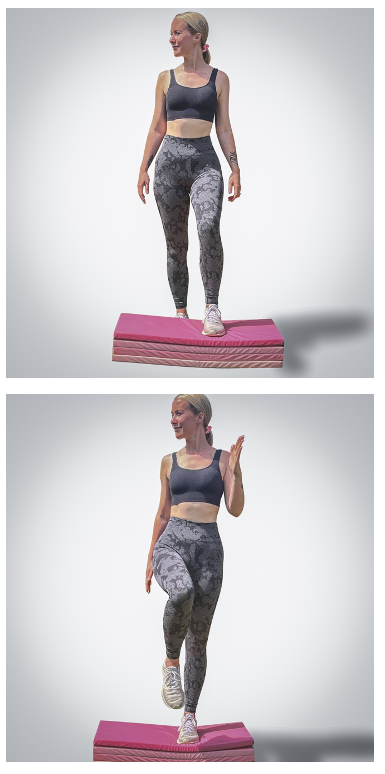
This exercise is designed to improve leg strength and neuromuscular control.
Frequency and duration.
Alternatives

This exercise strengthens muscles in your quadriceps and your hip flexors as a collective group.
Frequency and duration
Alternatives
The information on this site is intended for educational purposes.
You must not rely on the information on this website as an alternative to medical advice from your doctor or other professional healthcare provider. If you have any specific questions about any medical matter you should consult your doctor or other professional healthcare provider. If you think you may be suffering from any medical condition you should seek immediate medical attention. You should never delay seeking medical advice, disregard medical advice, or discontinue medical treatment because of information on this website.
No Thanks – I’ll pay full price
Close Window
Close Window