Plantar Fasciitis is a sharp pain in the heel or middle of the foot and is caused by inflammation of the tissue on the sole of the foot.

Plantar fasciitis is one of the most common causes of heel pain and foot pain. It is seen most often in runners and people who are overweight.
Pain from Plantar Fasciitis normally presents itself as stabbing pain with your first steps in the morning or after a long period of rest. As you start moving the pain normally decreases but often returns after periods of standing or sitting.
The reason for the pain to present like this is because Plantar Fasciitis involves the inflammation of a thick band of tissue that runs across the bottom of each foot that connects the heel bone to the toes. As it warms up and becomes more elastic the pain reduces.


At Riixo we always recommend speaking to a medical professional to better understand a condition and fully diagnose but this test can help identify if you have Plantar Fasciitis.
Test 1
If this triggers your symptoms then it is likely that you have Plantar Fascitis.
Test 2
If this triggers your symptoms then it is likely that you have Plantar Fascitis.
Plantar fasciitis is pain on the bottom of your foot, around your heel and the arch of the foot.
It is often described as a sharp stabbing pain in a localised area about the size of a 10p coin (US Quarter).
The inflammation in the plantar fascia may make it difficult to lift your toes off the ground. The pain will temporarily ease with movement such as walking or running. This is due to the soft tissue warming up and becoming more elastic. Warm baths can also help to ease symptoms and during particularly acute onsets of pain, ice will reduce swelling and discomfort.
With plantar fasciitis, the pain will be worse first thing in the morning or after long periods of rest such as standing stationary or sitting.
Supportive shoes with a cushioned base can provide support. A good pair of running trainers or hill walking shoes will work best.
The root cause of plantar fasciitis is poorly understood but research shows that the primary contributing factors are:
The POLICE method
When acute pain first appears follow this protocol:
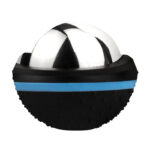
Ice massage. Some people find that massaging the injured foot with ice helps relieve foot pain. The best approach is to focus on massaging the arch of the foot around the injured area you can do this using the Riixo Ice ball.
Anti-inflammatory medication
Nonsteroidal anti-inflammatory drugs (NSAIDs), such as ibuprofen, reduce both pain and inflammation. It is important to seek a doctor’s advice and take any medication according to the instructions on the package.
Some people find that a few weeks of NSAID helps to improve their symptoms.
Shoe inserts
Shoe inserts provide the arch of the foot with additional support. Inserts limit aid with the weight distribution through the foot minimising any stress on the plantar fascia. Shoe insoles may be especially beneficial for people who spend much of the day on their feet.

This is designed to provide localised pain relief to the bottom of the foot as well as reduce inflammation of the Plantar Fascia.
Duration and intensity
Variations

Frequency and duration
Alternatives

This simple exercise is designed to help strengthen the small intrinsic muscles in the foot.
Frequency and duration
The information on this site is intended for educational purposes.
You must not rely on the information on this website as an alternative to medical advice from your doctor or other professional healthcare provider. If you have any specific questions about any medical matter you should consult your doctor or other professional healthcare provider. If you think you may be suffering from any medical condition you should seek immediate medical attention. You should never delay seeking medical advice, disregard medical advice, or discontinue medical treatment because of information on this website.
No Thanks – I’ll pay full price
Close Window
Close Window