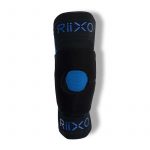
This refers to pain in the front of the knee behind, or around, the knee cap also called patellofemoral pain syndrome.

Runner’s knee is another name for patellofemoral pain syndrome and refers to pain in the front of the knee behind, or around, the knee cap. It is a very common injury for people that participate in sports that involve a lot of running or jumping. It often feels like a dull ache with sharp pain in certain movements such as running downhill. When you rest the knee can feel swollen like an overfilled water balloon.
The pain from runner's knee is caused by irritation under the knee cap and is typically caused by one of two factors:
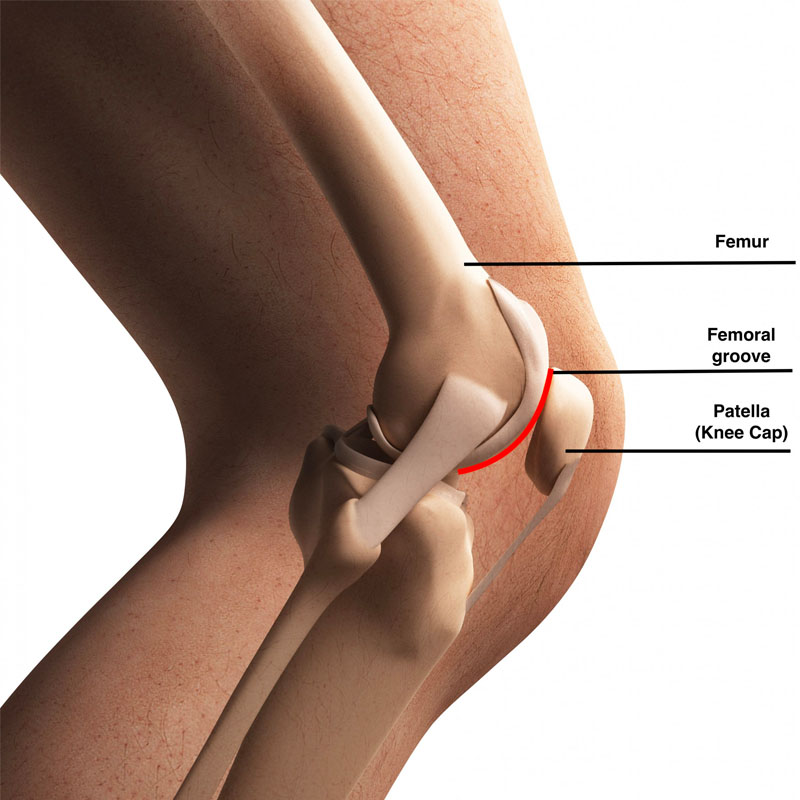
Understand the anatomy to understand your pain.
The knee cap (patella) is a small bone in the front of the knee and it has 2x jobs;
On the surface, the knee cap feels flat and round to touch but underneath it is actually a triangle in shape. This triangle sits in a groove in the bottom of the leg bone called the femoral groove and, like a train on its tracks, makes sure that the knee cap moves up and down in a straight line.
Runner’s knee happens when the tracking is slightly off centre and causes friction and irritation of the underside of the patella and the structures beneath.

We always recommend having a medical professional examine your knee if you are experiencing any pain.
Test 1 - Clarke's test.
If you experience pain and/or grinding under the knee cap it is likely that you have patellofemoral pain syndrome (Runner's knee).
Test 2 - Single leg dip.
An increase in pain behind the knee cap is an indication you may have patellofemoral pain syndrome (Runner's knee).
You will feel the pain at the front of your knee, although it will be difficult to put your finger exactly where it hurts. It will feel sore behind the knee cap sometimes one side is worse than the other depending on the tracking of your patella.
Runner’s knee will feel like a dull pain around the front of the, it may start off as a mild irritation but if left untreated it can increase in severity. You may also experience a rubbing sensation, clicking or grinding and when the knee is at rest it can feel swollen and “puffy” around the sides of the knee cap.
Aggravating factors
How to treat runners knee.
For an acute flare-up of pain and swelling using the P.O.L.I.C.E. protocols will help;
Changing your footwear to something with more cushioning or more support may be all that is required to help alleviate your symptoms. Corrective insoles provide arch support and can help to correct foot mechanics such as flat feet. Correcting lower limb mechanics will alleviate any excessive stress on the knee.
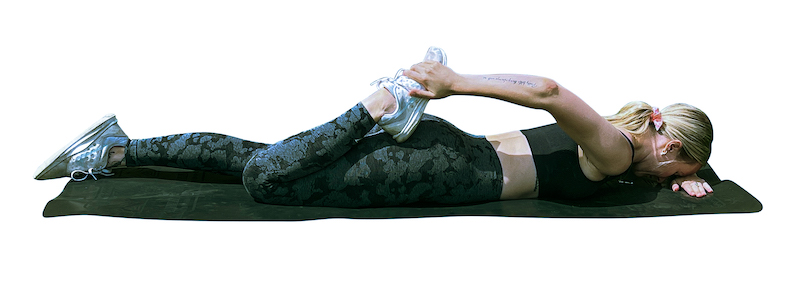
Frequency and duration
Alternatives
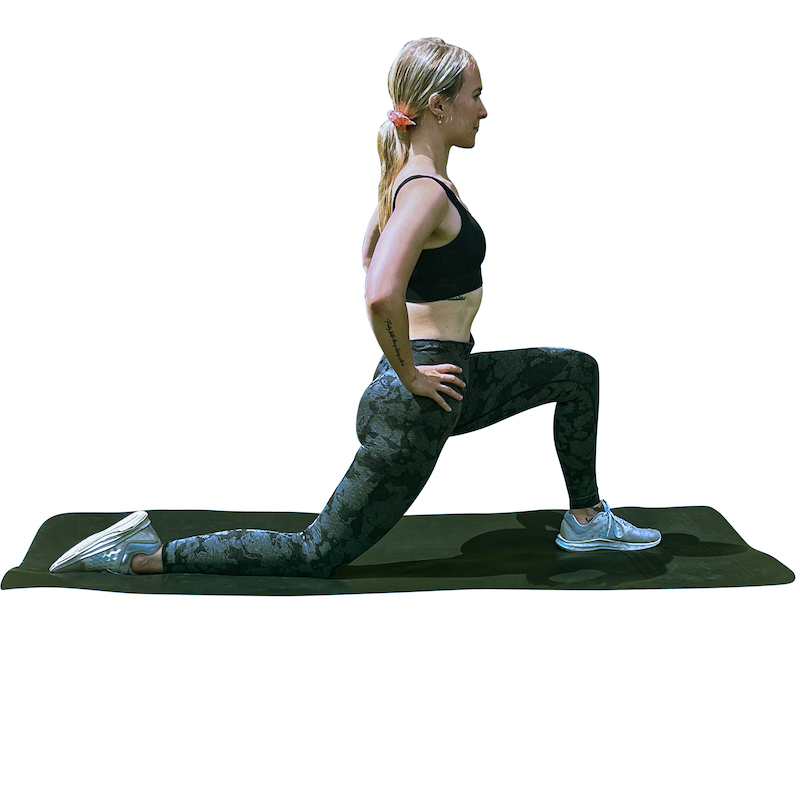
Frequency and duration
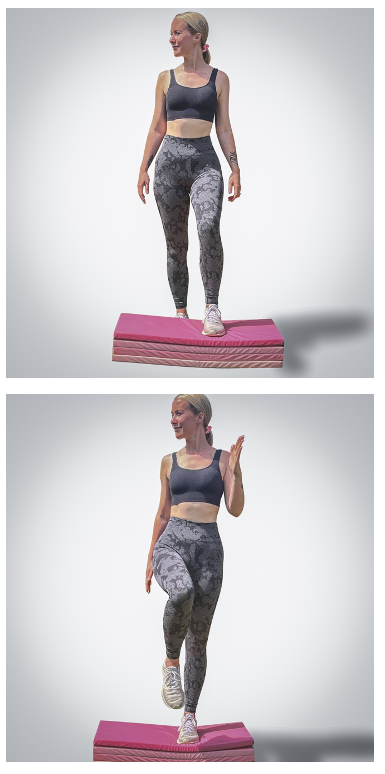
This exercise is designed to improve leg strength and neuromuscular control.
Frequency and duration.
Alternatives

This exercise is designed to strengthen the hamstring muscles on the back of the thigh.
Frequency and duration
Alternatives

This exercise is designed to improve single-leg strength.
Frequency and duration
Starting from the centre:
Alternatives
The information on this site is intended for educational purposes.
You must not rely on the information on this website as an alternative to medical advice from your doctor or other professional healthcare provider. If you have any specific questions about any medical matter you should consult your doctor or other professional healthcare provider. If you think you may be suffering from any medical condition you should seek immediate medical attention. You should never delay seeking medical advice, disregard medical advice, or discontinue medical treatment because of information on this website.
No Thanks – I’ll pay full price
Close Window
Close Window