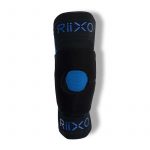
This is an incredibly common injury to the two C-shaped discs of cartilage inside the knee. Read more about to identify a meniscus tear, the causes, symptoms and exercises to help improve knee function.

Meniscus tear happens when the knee is forcefully twisted whilst taking full weight through the knee. It can also happen in reverse when the foot is planted and the body twists. It is a common injury in sports like rugby or if someone lands and slips with full weight. Think of a trail runner running downhill.
A torn or damaged meniscus cartilage causes pain, swelling and stiffness in the knee. With a bucket tear, when a small flap folds over on itself, an athlete can experience locking of the knee when trying to straighten the leg or stand up from sitting. This is because the small tear temporarily blocks the movement of the knee.
Inside the knee there are two C-shaped cartilage discs that sit on top of the thigh bone. They act as a shock absorber in the knee as well as providing smooth surfaces to facilitate the movement of the knee and protect the bones.


We strongly recommend that you have any suspected injuries fully assessed by a medical professional.
Test 1.
Pain in either or both directions indicates a high probability of cartilage tear or damage.
Test 2.
A click or pain can indicate a meniscus tear.
The pain will feel like it is inside the knee and is often difficult to pinpoint exactly as you are unable to put your dinger directly on the cartilage. Often you will describe an area of the knee or a movement that aggravates your symptoms
Meniscus tears are often linked to a traumatic incident, like a slip, trip, fall or specific moment in your sport. At that point, it will feel very sharp and you will most likely be unable to fully take your weight through the knee and walk with a limp.
Over time the pain will settle but the knee will have a dull constant ache, and feel stiff and swollen, like an overinflated water balloon. Certain movements will reproduce your sharp pain and you may experience locking of the knee or a popping sensation when you try to straighten the leg or stand up from sitting.
What makes the pain worse?
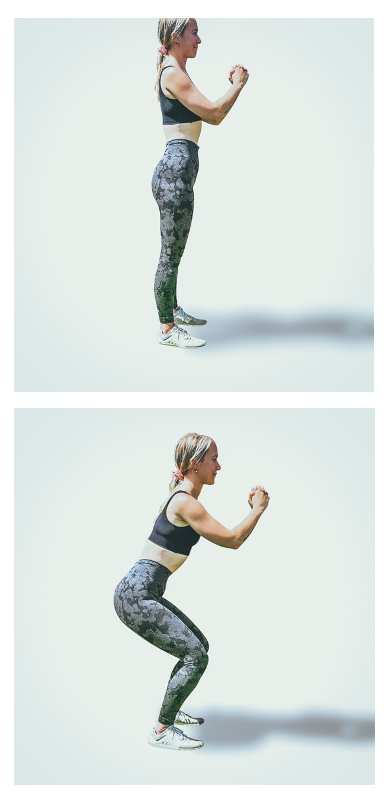
Frequency and duration

This exercise is designed to strengthen the hamstring muscles on the back of the thigh.
Frequency and duration
Alternatives
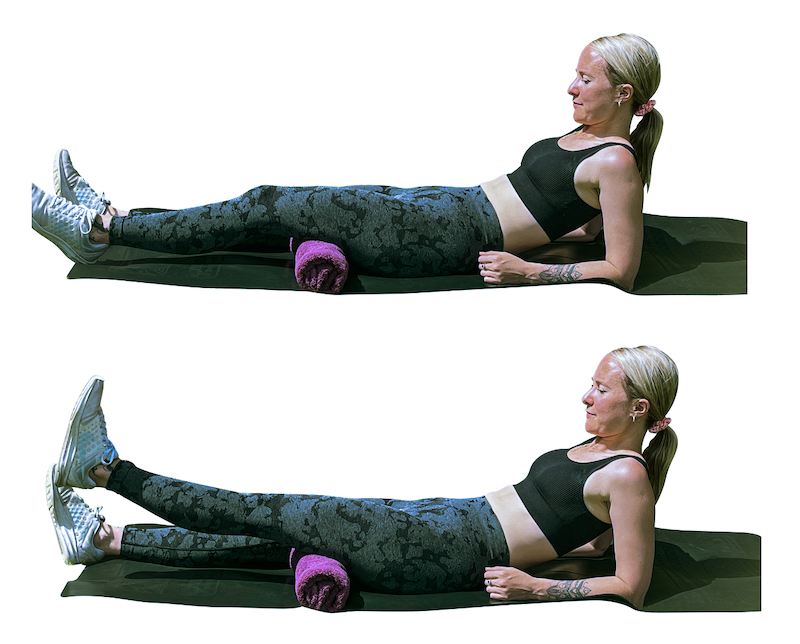
This exercise targets the small quad muscle on the inside of the knee that controls the last 10 degrees of extension and helps stabilise the knee.
Frequency and duration
Alternatives

Frequency and duration
Alternatives
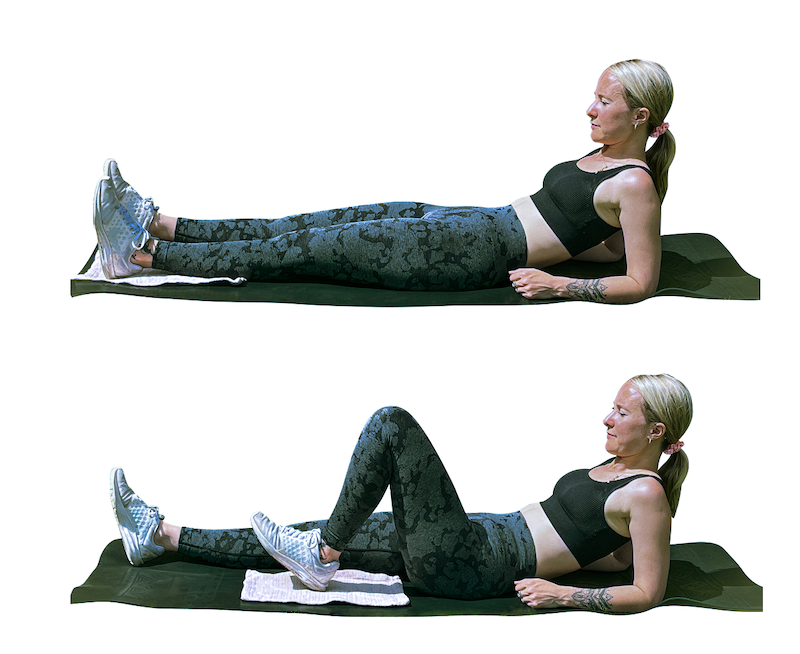
This exercise is designed to strengthen the hamstrings and improve the range of movement in the knee
Frequency and duration
The information on this site is intended for educational purposes.
You must not rely on the information on this website as an alternative to medical advice from your doctor or other professional healthcare provider. If you have any specific questions about any medical matter you should consult your doctor or other professional healthcare provider. If you think you may be suffering from any medical condition you should seek immediate medical attention. You should never delay seeking medical advice, disregard medical advice, or discontinue medical treatment because of information on this website.
No Thanks – I’ll pay full price
Close Window
Close Window